JJOHN THE BAPTIST PREPARES THE WAY
John the Baptist by Leonardo da Vinci, 1513-16
Judea spring of 26 A.D.
Matthew 3:1-6, Mark 1:1-6, Luke 3:1-6 and John 1:6-8
The beginning of the gospel of Jesus Christ, the Son of God.
Now in the fifteenth year of the reign of Tiberius Caesar [Tiberius Claudius Nero born November 16, 42 BC – Died March 16, 37 AD, age 77], Pontius Pilate being governor of Judaea, [AD 26-36 Died AD39], Herod [Antipas] being tetrarch of Galilee [BC 4-AD 39 Died AD39], and his brother Philip tetrarch of Ituraea and of the region of Trachonitis, [BC 4-AD 34 Died AD34], and Lysanias the tetrarch of Abilene [AD 29 – see Note 1]. Annas [AD 6-15, President Sanhedrin AD15-66] and [Joseph, son of Annas, see note 2]and Caiaphas [AD18-37] being the high priests, the word of God came to John the son of Zacharias in the wilderness.
Note 1. An inscription was found on a temple from the time of Tiberius (the Roman emperor from 14 - 37 AD), which named Lysanias as the Tetrarch of Abila near Damascus, just as Luke has written.
The temple inscription reads:
Huper tes ton kurion Se[baston] soterias kai tou sum[pantos] auton oikou, Numphaios Ae[tou] Lusianiou tetrarchou apele[utheors] ten odon ktisas k.t.l
Translation:
"For the salvation of the August lords and of all their household, Nymphaeus, freedman of Eagle Lysanias tetrarch established this street and other things."
The reference to August lords is a joint title given only to the emperor Tiberius (son of Augustus) and his mother Livia (widow of Augustus). This reference establishes the date of the inscription to between A.D. 14 and 29. The year 14 was the year of Tiberius' accession and the year 29 was the year of Livia's death.
Therefore the 15th year of Tiberius is the year 29 A.D., and it lies within the reign of the August lords. This evidence supports Luke's reference that Lysanias was a tetrarch around the time of John the Baptist (29 A.D.).
Note 2. Annas, who’s name means "The grace of Jehovah" was the son of Seth and appointed high priest of the Jews in 6 A.D in his 37th year. He was high priest from 6 to 15 A.D. but as long as he lived he was the virtual head of the priestly party in Jerusalem. He was chosen to the high priesthood by Quirinius, the imperial governor of Syria; obliged to give way to Ismael by Valerius Gratus, procurator of Judaea, in the beginning of Tiberius' reign, 14 A.D. Eleazar, the son of Annas, followed Ismael; then Simon; then Joseph Caiaphas, son-in-law of Annas (John 18:13).
In the time of Christ high priests were appointed and removed at the command of the Roman governors. Although removed from office, Annas' power and influence was so great that five of his sons, as well as his son-in-law Caiaphas and his grandson Matthias, also became high priests. Years afterward he lost the high priesthood, but even then he was popularly considered as still in office and was called "high priest"; even after Pentecost his name appears first in the list of priestly leaders:
Acts 4:5-7 "And it came to pass, on the next day, that their rulers, elders, and scribes, as well as Annas the high priest, Caiaphas, John, and Alexander, and as many as were of the family of the high priest, were gathered together at Jerusalem. "
In John 18:19, 22 the high priest is undoubtedly Annas, although in vs. 13 and 24 Caiaphas is mentioned as the high priest. Annas is referred to in connection with the beginning of John the Baptist's ministry, which took place "in the high-priesthood of Annas and Caiaphas" (Luke 3:2 ), as though father and son-in-law were joint holders of the office.
It seems clear that due to his ability and force of character he was virtually high priest, although Caiaphas had the title. When Jesus was arrested, He was first brought before Annas (John 18:13). It was apparently Annas who questioned Him about His disciples and His teaching, and who gave orders to one of the officers standing by to strike Jesus with his hand (18:19-22). After the questioning, he sent Jesus "bound" to Caiaphas.
John 18:19-24 "The high priest then asked Jesus about His disciples and His doctrine. Jesus answered him, "I spoke openly to the world. I always taught in synagogues and in the temple, where the Jews always meet, and in secret I have said nothing. Why do you ask Me? Ask those who have heard Me what I said to them. Indeed they know what I said." And when He had said these things, one of the officers who stood by struck Jesus with the palm of his hand, saying, "Do You answer the high priest like that?" Jesus answered him, "If I have spoken evil, bear witness of the evil; but if well, why do you strike Me?" Then Annas sent Him bound to Caiaphas the high priest."
He was undoubtedly the ruling voice in the council that condemned Jesus, although nothing is said about his part in the proceedings that followed the preliminary questioning. He was present at the meeting of the Sanhedrin before which Peter and John defended themselves for preaching the Gospel of the Resurrection (Acts 4:6).
Annas is called "high priest," Caiaphas, John, and Alexander are called "of his kindred." He lived to old age, and he had five sons appointed as high priests.
In the time of Christ high priests were appointed and removed at the command of the Roman governors. Although removed from office, Annas' power and influence was so great that five of his sons, as well as his son-in-law Caiaphas and his grandson Matthias, also became high priests. Years afterward he lost the high priesthood, but even then he was popularly considered as still in office and was called "high priest"; even after Pentecost his name appears first in the list of priestly leaders:
Acts 4:5-7 "And it came to pass, on the next day, that their rulers, elders, and scribes, as well as Annas the high priest, Caiaphas, John, and Alexander, and as many as were of the family of the high priest, were gathered together at Jerusalem. "
In John 18:19, 22 the high priest is undoubtedly Annas, although in vs. 13 and 24 Caiaphas is mentioned as the high priest. Annas is referred to in connection with the beginning of John the Baptist's ministry, which took place "in the high-priesthood of Annas and Caiaphas" (Luke 3:2 ), as though father and son-in-law were joint holders of the office.
It seems clear that due to his ability and force of character he was virtually high priest, although Caiaphas had the title. When Jesus was arrested, He was first brought before Annas (John 18:13). It was apparently Annas who questioned Him about His disciples and His teaching, and who gave orders to one of the officers standing by to strike Jesus with his hand (18:19-22). After the questioning, he sent Jesus "bound" to Caiaphas.
John 18:19-24 "The high priest then asked Jesus about His disciples and His doctrine. Jesus answered him, "I spoke openly to the world. I always taught in synagogues and in the temple, where the Jews always meet, and in secret I have said nothing. Why do you ask Me? Ask those who have heard Me what I said to them. Indeed they know what I said." And when He had said these things, one of the officers who stood by struck Jesus with the palm of his hand, saying, "Do You answer the high priest like that?" Jesus answered him, "If I have spoken evil, bear witness of the evil; but if well, why do you strike Me?" Then Annas sent Him bound to Caiaphas the high priest."
He was undoubtedly the ruling voice in the council that condemned Jesus, although nothing is said about his part in the proceedings that followed the preliminary questioning. He was present at the meeting of the Sanhedrin before which Peter and John defended themselves for preaching the Gospel of the Resurrection (Acts 4:6).
Annas is called "high priest," Caiaphas, John, and Alexander are called "of his kindred." He lived to old age, and he had five sons appointed as high priests.
In those days came John the Baptist, preaching in the wilderness of Judaea, and saying, “Repent ye: for the kingdom of heaven is at hand. For this is he that was spoken of by the prophet Esaias [Isaiah], saying, as it is written in the book of the words of Esaias [Isaiah] the prophet, as it is written in the prophets, ‘Behold, I send my messenger before thy face, which shall prepare thy way before thee. The voice of one crying in the wilderness, prepare ye the way of the Lord, make his paths straight. Every valley shall be filled, and every mountain and hill shall be brought low; and the crooked shall be made straight, and the rough ways shall be made smooth. And all flesh shall see the salvation of God.
Comfort, comfort my people, says your God.
Speak tenderly to Jerusalem, and proclaim to her
that her hard service has been completed,
that her sin has been paid for,
that she has received from the LORD's hand
double for all her sins.
A voice of one calling: "In the desert prepare
the way for the LORD; make straight in the wilderness a highway for our God.
Every valley shall be raised up, every mountain and hill made low; the rough ground shall become level, the rugged places a plain.
And the glory of the LORD will be revealed,
and all mankind together will see it. For the mouth of the LORD has spoken." Isaiah 40: 1-5 (NIV)
There was a man sent from God, whose name was John and he came into all the country about Jordan, preaching the baptism of repentance for the remission of sins.
John did baptize in the wilderness, and preach. The same came for a witness, to bear witness of the Light, that all men through him might believe. He was not that Light, but was sent to bear witness of that Light.
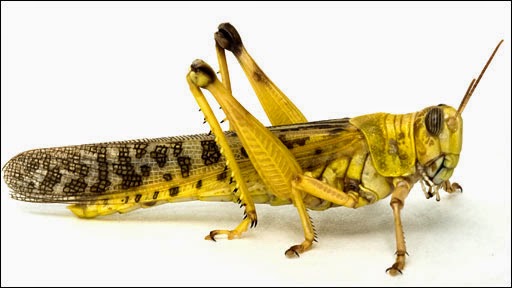
And John was clothed with his raiment of camel's hair, and with a leather girdle of a skin about his loins; and his meat he did eat locusts and wild honey.
And then there went out to him all the land of Judaea, and they of Jerusalem and all the whole Judean countryside, and all the region round about Jordan, and were all baptized of him in the river of Jordan, confessing their sins.